
Water Line vs. Sewer Line: The Differences and How to Care for Each. A lot of people in St. Louis confuse their water and sewer lines. For your day-to-day life, it's probably not a big deal, but it is important when you're performing maintenance techniques. In today's post, we'll go over the role each line plays in your home's plumbing and some care tips for each.
If you have an issue with your water or sewer line, Signature Plumbing can help. We are a St. Louis-based plumbing company that offers fast, effective water and sewer line repairs for the whole region.
If you need a plumber, call our team at (636) 742-2533 or send us a note online for assistance.
Water Line Overview
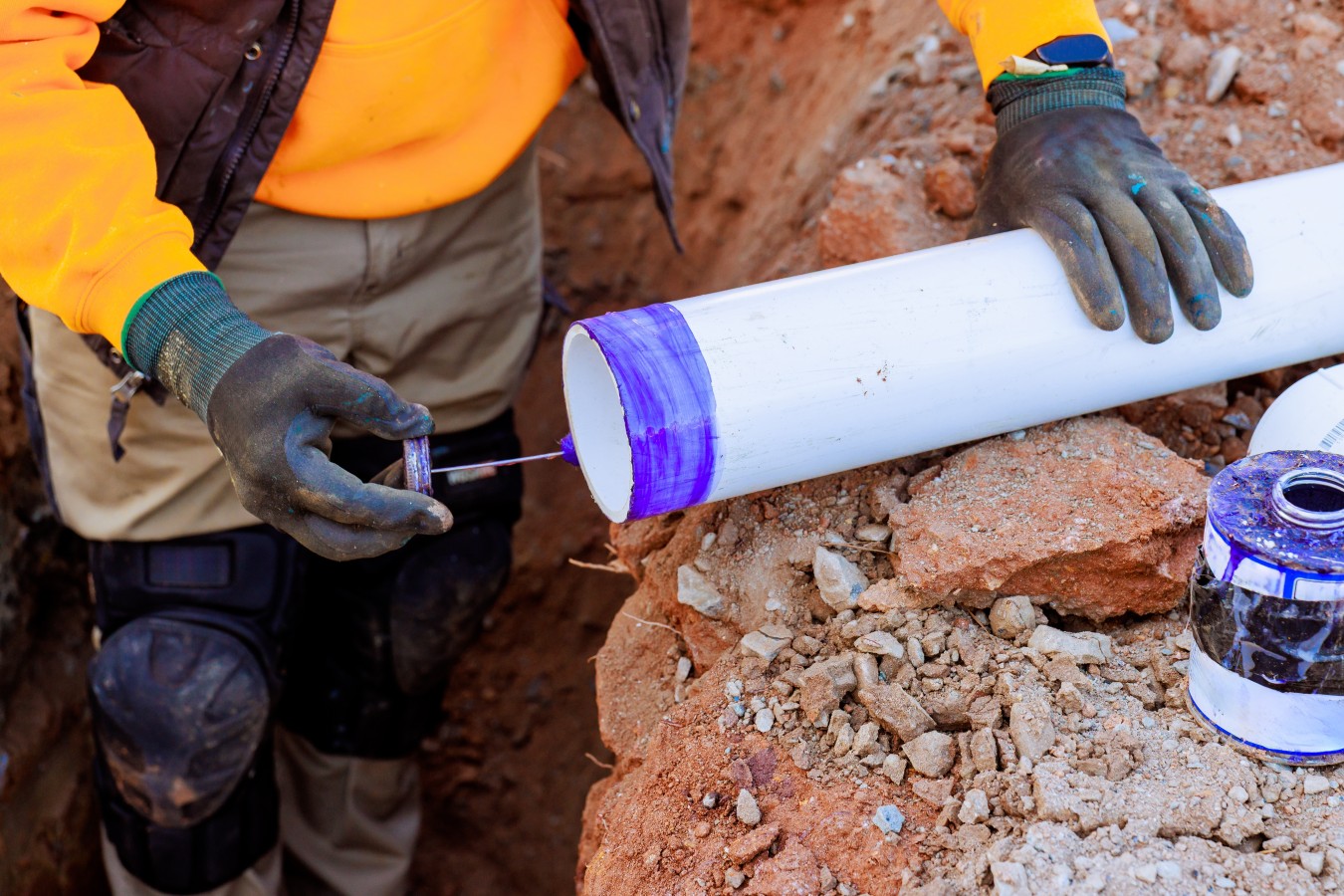
Your water line carries the clean water from your provider into your house. When you turn on your faucet, shower, or garden hose, the water that comes out is coming from your home's water line. Most of the time, it originates from a municipal supply, but it could also come from a well.
It's important that this water is safe for drinking, as well as general home use. In St. Louis, the quality inside of the water line is generally safe, but you also need to think about the pipes in your home. If you're living in an older home, a water filtration system can give you an added level of protection.
Sewer Line Overview
Your sewer line is, in a lot of ways, the opposite of the water line. Instead of bringing clean water in, it sends dirty water (and other debris) out, into the sewage system. Most of your home's drains will lead down, through a plumbing stack (if applicable), and into your basement drain.
The dirty water then travels out of your property via a "sewer lateral," out to either the main sewer line or a septic tank. Sewer lines are generally more prone to issues than water lines, because they carry contaminants and harmful substances in the water.
How They Work Together in Your Home's Plumbing System
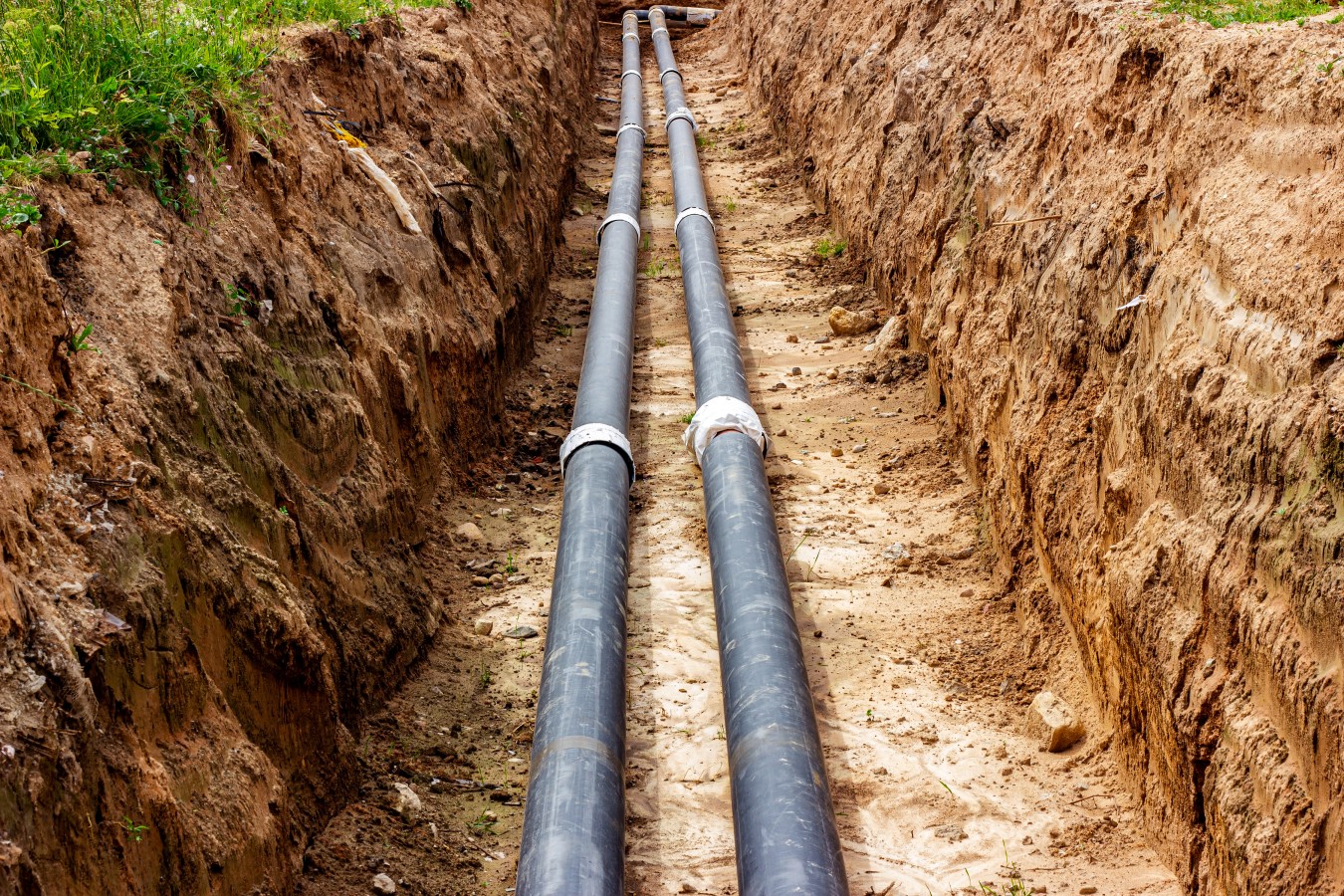
Water first enters your home through the water line, and can be routed to various areas depending on need. It might run through a water heater, then up pipes to your shower. Now dirty, it will exit the appliance through the drain and make its way through your home's drainage system into the sewer line.
Breaks in either line can be a serious problem for St. Louis homes. If your water line is broken, your main concern should be for the health of the inhabitants. If dirt, rust, or other contaminants get in the line, you could be exposing yourself to harmful substances when you shower or drink.
Sewer line damage can cause similar problems, but in different ways. Instead of directly ingesting hazardous chemicals, you might make contact with them or inhale gases that come off of them.
Taking care of your home's plumbing helps you avoid expensive damage and health problems. Next, we'll look at some steps you can take to do just that.
Proper Care for Water and Sewer Lines in St. Louis
A broken water or sewer line isn't something you can ignore – it's a plumbing emergency. A broken water line could be tainting your water, while a broken sewer line can expose you to waste products. It's important to look out for warning signs, proactively care for your home's plumbing, and get help when needed.
Signs of Problems
Keep an eye out for these indicators that something is wrong with your home's plumbing.
Water Line:
- Pay attention to a drop in water pressure that affects all of your faucets.
- Listen for a constant sound of running water, even when your fixtures are turned off.
- Watch out for dirty water coming out of multiple fixtures.
Sewer Line:
- Look for patches of unnaturally green, well-growing grass in your yard.
- Monitor any persistent, foul smells that never seem to go away.
- Listen for drains that gurgle or make noises even when nothing has been sent down them recently.
Proactive Care Steps
Preventing issues is always preferable to repairing them when you have the option.
Water Line:
- Watch out for alerts related to water quality.
- Consider using a water softener to protect the pipes within your house.
- Monitor water pressure, which should stay between 40 and 60 psi.
Sewer Line:
- Insulate pipes to protect against freezes.
- Have your sewer line cleaned regularly, approximately every 1-2 years.
- Consider installing a sewer cleanout to make future repairs easier.
When to Replace or Professionally Repair
A professional plumber can help with large-scale water line repairs or sewer line replacements.
Water Line:
- Water line pipes older than 70 years are often nearing the end of their lifespan.
- Any major leaks should be evaluated by a professional.
- Corrosion of the water line is often too serious to repair and requires a replacement.
Sewer Line:
- If your sewer line is severely damaged, professional excavation services are needed.
- Deep clogs can be broken up or removed by a professional plumber.
- If you're not sure what the issue is, a drain camera inspection can help you identify it.
If You Need Water or Sewer Line Help in St. Louis, Call Signature Plumbing
Signature Plumbing has served St. Louis since 2011 and is dedicated to giving fast, friendly service to its residents. We are a local business, and our plumbers have extensive experience addressing water and sewer line problems in the area.
If your water line is leaking, your sewer line is clogged, or you're running into any other plumbing issue, call us now at (636) 742-2533 or send us a note online.