
St. Louis Garbage Disposal Installation. A garbage disposal is a common fixture in St. Louis kitchens. They streamline kitchen work by handling food scraps. Using one helps protect your plumbing. But without help, the installation process can be time-consuming and complicated.
Signature Plumbing offers expert plumbing services with an emphasis on speed and quality work. We've offered garbage disposal installation services in St. Louis since 2011, and are dedicated to making the experience as stress-free as possible.
If you need St. Louis garbage disposal services, we're ready to help. Call us at (636) 742-2533 or contact us online to set up an appointment.
Page Summary:
- An expert plumber can help you install a new garbage disposal, handling everything from removing the old unit to mounting, setting up, and connecting the new one.
- Working with a professional can protect your time while minimizing the risks of damage.
- If you don't have a garbage disposal unit, or your current one is leaking, jamming, or non-functional, you should look into getting a new one.
- Only send smaller food scraps down your drain — not fats, oils, grease, or non-food items.
- Signature Plumbing provides experienced garbage disposal services for the St. Louis area.
- A broken garbage disposal is not an emergency, but can cause significant damage to your home's plumbing over time.
- Read through common questions and answers related to garbage disposals.
- Talk to a plumber today.
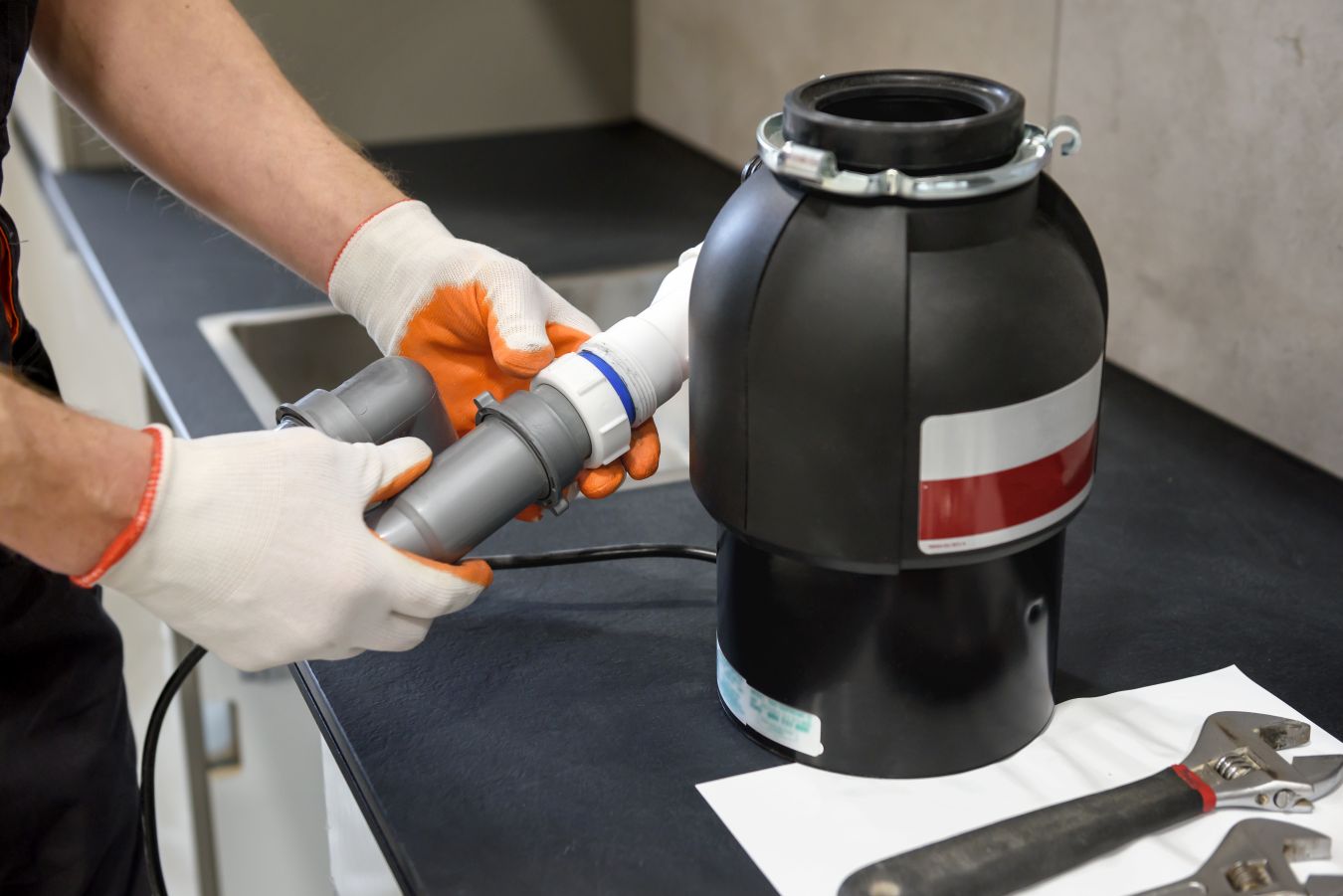
The Garbage Disposal Installation Process
The garbage disposal installation process can be very involved, given its intersection between plumbing and electrical work. If this is a replacement, you'll need to remove the old unit, replace the mounting assembly, and hook up the new disposal. Here's what it looks like in detail:
Step 1: Disconnect Power and Drains:
Before touching the garbage disposal itself, it's important to prepare the site. You'll need to disable the electricity and cut off the drains before removing an old unit. If this is for a new construction, make sure that the electrical work has been completed ahead of time.
Step 2: Remove Existing Garbage Disposal (As Applicable)
If you're looking to replace your garbage disposal, you'll need to get the old one out of the way first. Your plumber will remove the electrical assembly, mount, flange, and the unit itself.
Step 3: Set Up New Mounting Assembly
The mounting assembly holds the garbage disposal in place and plays a key role in preventing leaks. With several parts that each require their own precision fastening, it's important to work with an expert. Loose parts can leak, while overtightening can damage your sink.
Step 4: Put In New Garbage Disposal
Now that your sink is prepared, your plumber can put the new garbage disposal into place. This will involve attaching it to the mounting assembly and hooking it up to the electrical source.
Step 5: Connect Garbage Disposal Discharge to Sewage Pipe
Before your new garbage disposal can safely be used, it will need a place to send the food scraps you put into it. Your St. Louis plumbing contractor will connect it to your sewer line, giving debris a way out of your kitchen.
Step 6: Connect Dishwasher Discharge Hose (As Applicable)
If you have a dishwasher, it's important to connect a dishwasher discharge hose to your garbage disposal. This sends wastewater from the dishwasher into the disposal unit, where any remaining food scraps can be ground up, minimizing the chance of a clogged pipe.
After installation, our plumbers will always test the unit, looking for flaws, leaks, or other issues. We don't consider your garbage disposal installation done until everything is working properly and efficiently.
Why Work with Professional St. Louis Garbage Disposal Installation Services
Professional garbage disposal installation helps you save time, avoid mistakes, and protect your home's broader plumbing. A trained professional can advise you on what model will work best for your home and help evaluate the preparatory work your kitchen needs. Here's the difference a plumbing contractor can make for you:
- Save Time: You can focus on your life while our team takes care of your plumbing.
- Avoid Damage: Experienced and expertly trained plumbing contractors can minimize the risk of mistakes and property damage.
- Expert Advice/Recommendations: A professional can give you insights on which garbage disposal makes the most sense for your kitchen's plumbing.
- General Plumbing Inspection: It's a good idea to have a plumber inspect your pipes while they're there to look for potential problems.
- Combined Services: On a related note, it's easy to combine a garbage disposal installation with other services like drain cleaning.
- Insurance: It's essential to work with an insured plumber, who has coverage in case anything goes wrong.
6 Signs You Need a New Garbage Disposal
When your garbage disposal isn't working properly, it can cause headaches, lead to you spending extra time on your dishes, and potentially even result in property damage. Watch out for these six signs that you need a new garbage disposal:
- Renovation/New Construction: If you're adding a new sink or renovating your kitchen, you'll need a garbage disposal installed.
- Leaks: A leaking garbage disposal is likely at the end of its lifespan.
- Current Disposal Won't Turn On: Units that won't work need to be replaced.
- Unit Turns On, But Doesn't Work: You might hear a humming noise, but if the disposal is failing to grind, it needs help.
- Repeated Jams: Your unit will be more likely to jam as the internals and blades wear out.
- Slow Drains: A slow drain can be a sign that your disposal isn't cutting up matter properly, and/or is clogged.
If you're experiencing issues with your unit, but aren't certain whether or not it needs a replacement, our plumbers also offer garbage disposal repair services. Before deciding how to move forward, it's always a good idea to get an expert's opinion.
Best Practices for Your New Garbage Disposal
The most important thing you can do to preserve your garbage disposal after installation is to avoid putting oils, non-food items, and large food scraps down the drain. These can lead to clogs in both your pipes and in the disposal unit itself.
When you do run your disposal, be sure to use cold water. This will help scraps move down the drain and out into your sewer line, instead of getting stuck. In fact, even if you don't need to run your garbage disposal all the time, it's a good idea to run ice cubes and/or frozen lemon peels through it once a week, and clean it once a month. This will both help keep the blades sharp and your kitchen smelling fresh.
Composting: Your Garbage Disposal's Sidekick
Composting is a process that breaks down organic matter, often food scraps, into soil that can be used for plants or gardening. The process is mostly hands-off, as microorganisms break down the materials in a decomposition process.
When you take advantage of composting, you can reduce wear and tear on your garbage disposal, decrease your waste production, and often save money on fertilizers and pesticides.
The following substances are typically eligible for composting in St. Louis:
- Coffee Grounds
- Raw fruits and vegetables
- Eggshells
- Houseplants
- Plain paper napkins
- Cardboard
- Tea bags
- Meat*
- Fish*
- Bones*
- Dairy*
*These products can be composted, but are not recommended for at-home composting. Look for commercial composting services for these materials.
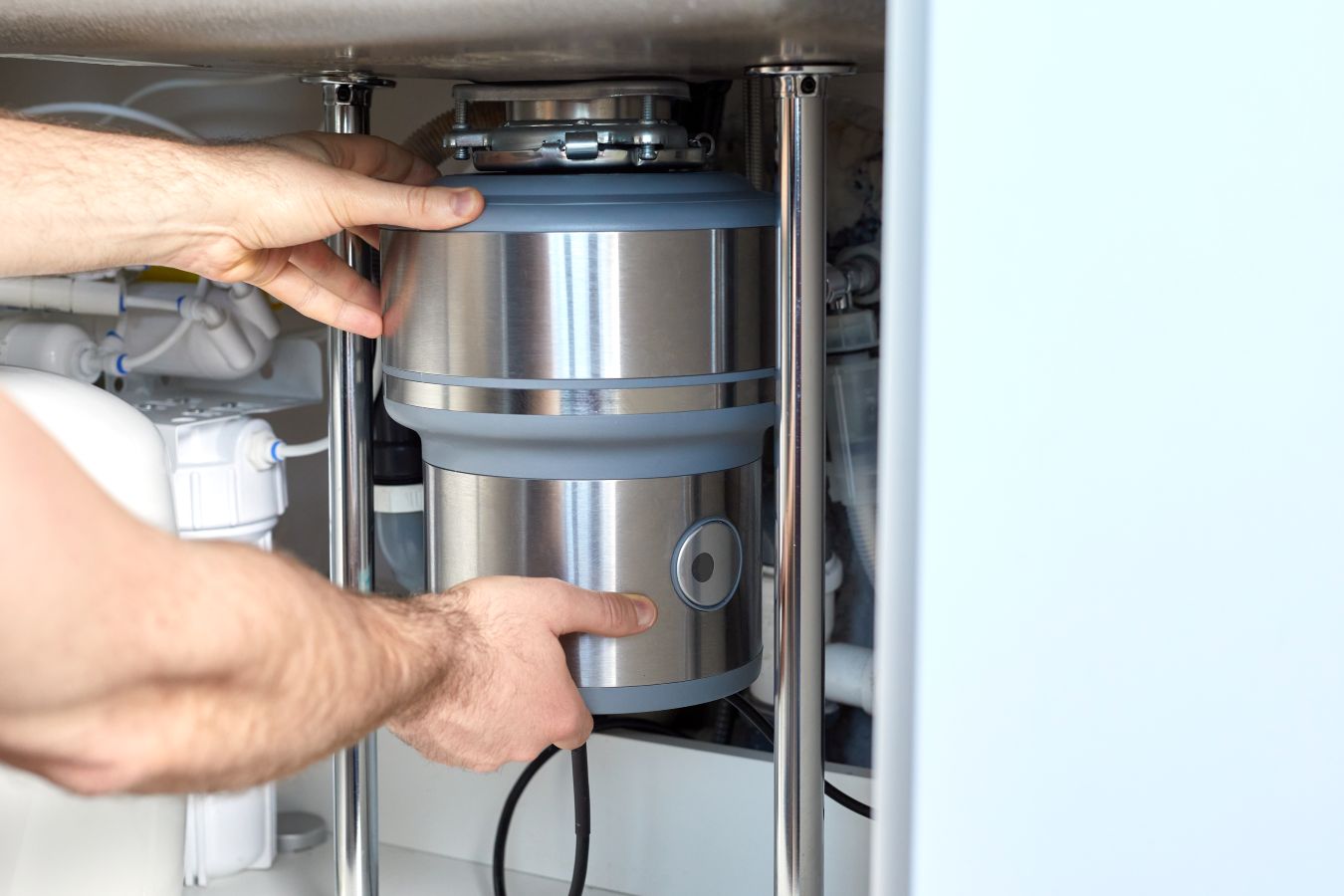
What Sets Signature Plumbing's St. Louis Garbage Disposal Services Apart
Signature Plumbing is a local plumbing company that has provided St. Louis with garbage disposal repair, replacement, and installation services for over a decade. We're well known for providing quality service and having availability whenever you need us.
Here's why you should choose us for your plumbing needs:
- We have 24/7 availability, in case you run into a plumbing emergency.
- We offer clear pricing structures with no hidden fees.
- We can help you secure required permits for any plumbing work you're planning.
- We work with top brands like Frigidaire, GE, and Moen.
- We have a commitment to treat every home like it's our own.
Get started with your garbage disposal installation today by calling (636) 742-2533 or reaching out online.
4 Dangers of Not Addressing a Broken Garbage Disposal
A broken garbage disposal generally doesn't require an urgent fix, but it does need to be addressed before problems spread and worsen. The food chunks flowing down your drain can create blockages, leading to pipe damage, slow drains, and other downstream effects.
Here are four of the risks you face by not repairing or replacing your garbage disposal:
- Massive clogs can occur as larger food scraps get stuck in your sewer line, creating a drain cleaning issue.
- Pipe damage can occur as a result of these clogs, necessitating repairs.
- Leaks can spring up in difficult-to-detect locations.
- Slow drains and stagnant water can lead to bacterial growth and off-putting smells.
For all these reasons, even though a broken garbage disposal isn't a plumbing emergency, it isn't something you can ignore.
St. Louis Garbage Disposal Use, Repair, and Installation FAQs
How long do garbage disposals last?
With proper care, a garbage disposal can typically last 8-15 years. You can increase the lifespan of your garbage disposal by regularly cleaning it, running ice through it, and avoiding materials (like fats, oils, and greases) that can damage the unit.
What shouldn't you put down my garbage disposal?
While it's safe to put most food scraps down your garbage disposal, there are certain things you should never send down the drain:
- Greases and Oils
- Coffee Grounds
- Eggshells
- Corn Husks
- Large Quantities of Food Waste
- Non-Food Items
Is there any prep work that needs to be done before a garbage disposal installation?
The amount of prep work you need to do depends on your individual situation. If you're installing a garbage disposal in a new home, or in an existing kitchen that doesn't have an old one, you'll need the electrical work, sink installation, and pipe laying to be complete. Be sure that you have all the proper permits before starting.
Replacing an existing garbage disposal generally requires less prep work. You will need to disable the electricity in the area, but your local St. Louis plumber should be able to take it from there.
Why should you get a garbage disposal in St. Louis?
A garbage disposal can be an asset in your kitchen, helping you save time, spend less energy on cleanup, prevent clogs, and reduce your trash output.
Should you pour boiling water into your garbage disposal?
We do not recommend pouring boiling water down your garbage disposal. While hot water can sometimes play a role in cleaning, boiling water can damage the softer, plastic components of your unit. It can also melt oils, allowing them to gum up the inner workings.
Are chemical drain cleaners good for garbage disposals?
Chemical drain cleaners should not be used on garbage disposals. They are made up of corrosive, often harmful materials that can damage the disposal unit, dull the blades, and hurt the sewage pipes below. On top of the damage, they could void the warranty on your unit.
Should you use hot or cold water when running your garbage disposal?
When running your garbage disposal for regular use, always use cold water. Hot water can create issues by melting fats and allowing them to get stuck on the blades or in the sewage pipes. Cold water helps push debris along without this risk.
How often should you clean a garbage disposal?
You should deep-clean your garbage disposal once a month. You can do this by turning it off, running hot (not boiling) water down the drain, and scrubbing it with a long-handled brush and soap.
In between cleanings, you should run ice cubes down the garbage disposal once a week to knock out food buildup and protect the blades.
Need a New Garbage Disposal in St. Louis? Call Signature Plumbing Today
Signature Plumbing offers fast, high-quality garbage disposal installation services to St. Louis homes, without hidden fees or complications for our customers. We want to provide you with the best and friendliest service possible.
We also offer the following related plumbing services:
- Sewer Cleaning
- Sump Pump Installation
- Water Heater Installation
- Plumbing Stack Repair and Replacement
If you need St. Louis garbage disposal installation services, call us at (636) 742-2533 or use our contact form to schedule service today.
We offer water garbage disposal installation in all of the following locations: