
Need fast, reliable Emergency Plumbing in Shrewsbury, MO? Signature Plumbing offers round-the-clock service to stop leaks, clear backups, and protect your home. Call 636-742-2533 or reach out online for Shrewsbury, MO, emergency plumbing services.
Our licensed emergency plumbers handle everything from showers and sinks to sewer line cleanouts and leak detection, keeping your home safe from water issues that can lead to mold and structural damage. Signature Plumbing’s team is your dependable source for emergency plumbing.
Here’s what we’ll cover below:
- What to do first when water is leaking, backing up, or spreading
- The most common emergency plumbing problems homeowners face
- Our full list of 24/7 emergency plumbing services in Shrewsbury
- How to tell if your plumbing problem is an emergency or can wait
- How to reduce damage during a plumbing emergency before help arrives
- Answers to emergency plumbing FAQs from Shrewsbury, MO, homeowners
- Why Shrewsbury trusts Signature Plumbing when minutes matter
See our reviews to learn more about our Shrewsbury, MO, emergency plumbing services.

24/7 Emergency Plumbing Services in Shrewsbury, MO
In Shrewsbury, aging sewer laterals in the inner-ring suburb's historic homes often collapse under the weight of traffic from the city center, sending sewage into basements and crawl spaces. Clogged drains in older apartment buildings along Shrewsbury Avenue back up after weekend takeout orders overwhelm kitchen sinks, leaving residents without usable plumbing on Sundays. Water heater failures in compact homes near the city center cut off hot water during weekday mornings, disrupting showers and laundry schedules for working families. Burst pipes in basements of 1950s ranch homes on surrounding streets freeze overnight in winter, flooding rec rooms before homeowners wake.
If water is leaking, backing up, or spreading, time matters. Our Shrewsbury, MO, crew delivers 24/7 Emergency Plumbing to stop damage fast, steady the system, and safeguard your home.
Get in touch fast if you’re dealing with:
- Burst, frozen, or actively leaking pipes in any part of the house
- Sewer backups affecting tubs, floor drains, toilets, or basements
- Water heater leaks or tank failures including rust-colored water or pooling around the unit
- Standing water around basements, utility rooms, or electrical panels
- Strong sewer or musty odors paired with slow drains or gurgling
- Repeated toilet overflows or widespread fixture clogs
- Sump pump failures during periods of heavy rain or melting snow
While you’re waiting for an emergency plumber in Shrewsbury, MO, there are a few things you can do to protect your home and belongings:
- Turn off the water: Turn the main valve off at the meter or where the line enters your home. For localized issues, use the shutoff valves under sinks, behind toilets, or near appliances.
- Disable power in wet areas: If water reaches outlets, lights, or appliances, shut off the breaker to that area. Don’t step into standing water if you suspect live electricity nearby.
- Move items to minimize damage: Move furniture, rugs, boxes, and electronics away from wet areas. Put towels or buckets down safely to catch drips and slow the spread.
- Don’t keep running problem fixtures: Avoid flushing questionable toilets, running clogged sinks, or using appliances that are leaking or backing up.
- Capture what you see: Take photos and short videos of damage, standing water, and affected fixtures to support insurance and repairs.
Not sure if your situation is an emergency? Call 636-742-2533 and let us know what’s happening. In Shrewsbury, MO, our emergency plumbing team will guide you through next steps, help you shut things down safely, and send a plumber as needed.
Common Emergency Plumbing Problems in Shrewsbury, MO Homes
Water moves fast when something goes wrong. With older plumbing, clay laterals, shifting soil, and major temperature swings, Shrewsbury, MO, homes often see problems that turn into emergencies. Here are some of the most common problems homeowners run into and the early signs to watch for:
- Burst or Frozen Pipes: Repeated freeze–thaw cycles stress pipes and lead to failure. Early signs include pressure drops, frost on exposed lines, or stains on ceilings and walls. Maintain heat and let faucets trickle to help pipes tolerate temperature dips. Seasonal inspections lower the chance of emergency pipe repair and large-scale water damage.
- Sewer Backups: Tree roots, heavy rain, and aging lateral lines push wastewater back into tubs, floor drains, and basements. Early signs include gurgling drains and sewer odors. Stay strict with drain use—oil, grease, paint, wipes, and other products shouldn’t go down sinks or toilets.
- Hidden Leaks Behind Walls or Floors: Corroded parts, loose fittings, and aging supply lines can spark slow leaks that grow into major emergencies. Early signs include damp drywall, warm floor areas, musty smells, or an unexplained rise in your water bill. Check around sinks, appliances, and basements regularly to spot problems before they spread.
- Water Heater Failures: Leaks, loss of hot water, and tank ruptures often stem from sediment buildup, age, or pressure issues. When you hear popping, see rusty water, or notice pooling, get in touch with an emergency plumber via our contact page.
- Clogged or Overflowing Toilets: Main-line blockages, vent issues, and buildup cause toilets to overflow or back up into other fixtures. Slow flushing, bubbling, or rising water levels often signal problems early. Don’t flush wipes, hygiene products, or paper towels—items that don’t break down can cause emergencies and require toilet repair or replacement.
- Backflow and Water Quality Issues: Unsafe water can move backward into your plumbing during storm surges, sudden pressure changes, or utility work. Discolored water, cloudiness, or unusual odors often mean the system needs attention immediately. Yearly backflow testing helps keep your system safe and reduces contamination risks.
- Failed Sump Pumps: Heavy spring and fall rains, power interruptions, or aging pump components lead to standing water in basements. If the pit fills faster than the pump can empty, or you hear grinding, rattling, or odd cycling, call for help before flooding spreads. Testing sump pumps each season helps spot problems early.
Bottom line: Cloudy water, off smells, gurgling drains, pipe banging, or inconsistent pressure are early signs something’s wrong behind the walls. Even tiny signs can reveal leaks, sewer trouble, or pressure problems that may lead to mold, rot, and major structural damage.
These problems don’t stay minor for long. If you spot early signs, addressing them now keeps damage from reaching floors, drywall, or electrical systems. If you’re dealing with any of these issues—or think you might soon—call 636-742-2533 for emergency plumbing in Shrewsbury, MO.
Our Emergency Plumbing Services in Shrewsbury, MO
Plumbing emergencies don’t all look the same. Some begin quietly with slow leaks, others show up suddenly. We work to locate the source quickly, stop the damage, and solve the issue, whether caused by a broken pipe, sewer trouble, or a failing appliance line.
- Drain & Sewer Emergencies: When main lines clog, tubs back up, or floor drains overflow, we locate the blockage and get everything moving again. Our emergency options include sewer line cleaning, sewer excavation, sewer cleanout installation, water and sewer line repair, and video pipe inspection.
- Leak & Pipe Emergencies: Pinhole leaks or full burst lines—we find the issue and stop water at the pipe. We handle emergency leak detection and pipe repair to protect your walls, ceilings, and floors.
- Water Heater Failures: A leaking tank, no hot water, or pressure problems can all turn into emergencies. We provide fast water heater repair and installation and tankless water heater repair and installation to restore dependable hot water.
- Fixture & Bathroom Emergencies: Overflowing toilets, cracked fixtures, and constant dripping can point to bigger issues in the line. During emergency visits we take care of sink and faucet repair, bathtub and shower repair, toilet repair, and toilet replacement.
- Water Line & Appliance Leaks: Leaks behind dishwashers, refrigerators, laundry hookups, and disposals can soak cabinets and floors before you notice. Our team handles these emergencies with garbage disposal repair, dishwasher hookups and repair, refrigerator and ice maker water line work, and laundry room plumbing.
- Backflow & Water Quality Alerts: Cloudy water, unusual odors, or a recent backflow warning are signs we can help protect your system and water supply. Our emergency team handles backflow testing and installation plus pressure and cross-connection troubleshooting.
Not sure which category your problem fits into? Reach out at 636-742-2533 and describe the situation. Our Shrewsbury, MO, emergency plumbing team will point you to the right service and send help your way.
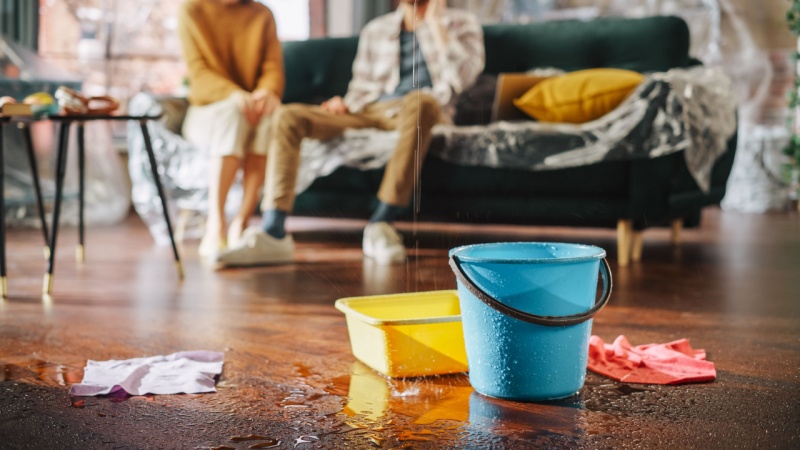
Is This a Plumbing Emergency or Can It Wait?
Not every plumbing problem needs a 2 a.m. service call, but some issues should never wait. The difference usually comes down to active damage, health risks, or whether the problem is getting worse by the minute. If water is spreading, sewage is backing up, or you cannot safely use an essential fixture, treat it as an emergency.
| You Can Usually Schedule Service Soon | Call an Emergency Plumber Right Away |
|---|---|
| One slow drain that still empties and is limited to a single sink, tub, or shower | Multiple drains backing up, especially with gurgling, sewer smells, or water rising in tubs or floor drains |
| A minor leak under a sink that stops when you use the local shutoff | An active leak, burst pipe, or water spreading through ceilings, walls, floors, or cabinets |
| A toilet that needs repair but is still usable and not overflowing | A toilet that overflows repeatedly, will not drain, or backs up into other fixtures |
| A water heater that is underperforming but not leaking, flooding, or showing signs of tank failure | Water around the water heater, rusty hot water, heavy leaking, or signs that the tank may be failing |
| Weak water pressure at a single faucet or shower that is not rapidly changing | A sudden loss of water, unsafe-looking water, whole-home pressure loss, or problems with fixtures your household depends on |
| A sump pump that needs routine testing, maintenance, or replacement before storm season | A pump that will not keep up during a storm, snowmelt, groundwater rise, or active basement water issue |
| Repeat plumbing problems that are frustrating but not actively spreading water or sewage | Any plumbing issue that puts water near electricity, finished living areas, major appliances, or other hazards |
Some issues can wait: a slow kitchen sink drain in a weekday rental unit may only need a quick auger, while a gurgling toilet in a public restroom at the city center signals a vent stack blockage that can be scheduled for repair. If your bathroom sink drips during the day, regular service can handle it, but a burst pipe under the kitchen sink that soaks cabinets should be treated as an emergency. A clogged bathtub drain that responds to a plunger can wait until business hours, but sewage bubbling up in a basement bathroom after a heavy rain demands immediate attention. Minor toilet clogs in single-family homes on weekday mornings are manageable with a plunger, but a sewer backup in a multi-unit building on a weekend night is an emergency.
What to Do Before an Emergency Plumber Arrives
When water is leaking, backing up, or spreading, your first job is to limit the damage safely. These steps can help protect your home while you wait for an emergency plumber.
- Stop the water if you can. Shut off the main water valve for whole-home leaks. For a smaller leak, try the fixture shutoff near the sink, toilet, water heater, or appliance.
- Avoid water near electricity. Do not walk into standing water if it is close to outlets, lights, appliances, or the electrical panel. Only turn off a breaker if you can do it without stepping into water.
- Stop using affected fixtures. Do not flush toilets, run sinks, use the shower, or start appliances if drains are backing up or water is spreading.
- Move what you can. Relocate rugs, boxes, electronics, furniture, and valuables away from wet areas. Use towels or buckets to catch drips only when it is safe.
- Check enclosed spaces. If water is leaking under a sink or near an appliance, open nearby doors or panels when safe so moisture is easier to spot.
- Record what happened. Photos and videos of the leak, backup, damaged areas, and affected fixtures can help with insurance and give the plumber useful context.
- Skip risky temporary repairs. Taking apart lines, forcing drains, or loosening fittings during an emergency can turn one problem into three. Stop the water and let a licensed plumber handle the repair.
Nighttime and weekend emergencies in Shrewsbury often involve frozen pipes in north-facing laundry rooms of 1950s ranches, where temperatures drop sharply after midnight and burst lines flood finished basements. Sewer lateral collapses near the city center can send raw sewage into basements of older apartment buildings, especially those with shallow drain fields that cannot handle municipal system surges. Water heaters mounted in tight utility closets in compact homes cut off hot water without warning, leaving families scrambling during weekday mornings. Basement bathrooms in split-level homes see higher flood risk when floor drains back up during heavy summer storms, damaging flooring and drywall.
Emergency Plumbing FAQs from Shrewsbury, MO, Homeowners
Water that leaks, backs up, or goes where it shouldn’t often leads homeowners to ask questions. Here are the top Emergency Plumbing questions we hear in Shrewsbury, MO:
What counts as a plumbing emergency?
Anything that threatens flooding, contamination, structural damage, or essential water service. Burst pipes, leaks, sewer backups, water heater failures, and standing water in basements all qualify as emergencies. If you’re unsure, call and describe what you’re seeing—we’ll tell you if it’s urgent and what to do next.
How fast can a plumber get to my house?
Active leaks or backups get an immediate dispatch. Response times depend on location, but most homes in Greater St. Louis get same-day service, with priority for flooding or sewer-related risks. We’ll give you an arrival window and keep you updated while we're on the way.
What should I do while waiting for the plumber?
Cut the water, cut power in wet areas, move valuables, and avoid running any suspect fixtures. If you can do so safely, use towels or buckets to catch dripping water. Capture photos for insurance and note where the issue began—this helps speed repairs when we get there.
Can you give an estimate over the phone?
We can provide a general sense of cost for simple emergencies. If the issue involves hidden leaks, sewer problems, or water damage, we diagnose onsite first, then quote. You get clear options, simple explanations, and documented pricing before we begin any work.
Do you handle water heater emergencies?
Yes. Tank leaks, no hot water, pressure trouble, or rust-colored water commonly lead to emergencies. We service and replace standard and tankless units and bring the parts and tools needed for same-day repair when possible.
Why is my drain gurgling or smelling bad?
Gurgling tends to mean there’s a partial blockage or venting issue. A sewer smell usually points to trouble in the main line or a failing trap. If several drains are involved, that’s a red flag for a sewer issue—especially if water begins rising in tubs or floor drains.
Do you work with insurance?
We document damage, write up estimates, and provide the details your insurer needs. If you’re filing a claim for flooding, sewer backup, or water damage, we make the process easier by providing notes, photos, and repair documentation.
Why Shrewsbury, MO, Trusts Signature Plumbing for Emergency Calls
When water goes where it shouldn’t, you need a team that arrives fast, diagnoses the issue, and stops the damage. From burst pipes to sewer backups, we’re the go-to emergency plumbers for Shrewsbury, MO, homeowners.
- Licensed Emergency Pros: Bonded, insured, and local plumbers with extensive experience in Shrewsbury homes, codes, and older systems.
- 24/7 Response: Day or night, we dispatch quickly and guide you through shutting down water or power until help arrives.
- Transparent Quotes: Expect clear options and upfront pricing before work begins—no surprises.
- Fast, Equipped Repairs: We keep vehicles stocked for immediate fixes—from leaks to sewer problems—so we can handle most emergencies fast.
Other Shrewsbury, MO, emergency plumbing services we provide include:
- Water Main Repair
- Water Leak Detection Services
- Water Heater Installation
- Sewer Line Replacement
- Sump Pump Installation
- Plumbing Stack Repair & Replacement
- Toilet Repair
- Sewer Repair
- Drain Cleaning
- Licensed Plumbers Near Me
Shrewsbury's mix of 1950s ranches and newer infill means both galvanized supply lines and modern PEX systems coexist, so age alone doesn't predict failure. Local plumbers report the busiest calls cluster around summer storms when floor drains in basements back up from overwhelmed municipal lines. Keeping an easy-to-locate main shutoff valve in laundry rooms can prevent a minor leak from becoming a flooded basement during family gatherings. For renters in older apartment buildings near the city center, knowing the building's shutoff location and having the property manager's after-hours contact can mean the difference between a quick fix and extensive water damage.
Give us a call at 636-742-2533, or reach out online. Our Shrewsbury, MO, emergency plumbing experts are here to help.