Need fast, reliable Emergency Plumbing in Glendale, MO? Signature Plumbing is on call 24/7 to stop leaks, clear backups, and prevent water damage. Call 636-742-2533 or reach out online for trusted Glendale, MO, emergency plumbing services.
From showers and sinks to sewer line cleanouts and leak detection, our licensed emergency plumbers have the experience and trust needed to keep your home safe from unwanted water flow that can potentially lead to mold and structural damages. Our team at Signature Plumbing is your go-to for emergency plumbing.
Below, we’ll walk through:
- What to do first when water is leaking, backing up, or spreading
- The most common emergency plumbing problems homeowners face
- Our full list of 24/7 emergency plumbing services in Glendale
- How to tell if your plumbing problem is an emergency or can wait
- How to reduce damage during a plumbing emergency before help arrives
- Answers to emergency plumbing FAQs from Glendale, MO, homeowners
- Why Glendale trusts Signature Plumbing when minutes matter
Read our reviews to learn more about our Glendale, MO, emergency plumbing services.

24/7 Emergency Plumbing Services in Glendale, MO
Glendale homeowners frequently encounter plumbing emergencies linked to the city’s early-20th-century housing stock and mature tree coverage. Properties along streets like Lindell Boulevard and the Glendale Historic District often rely on older pipes that have reached the end of their functional lifespan, making sudden failures more likely. Additionally, the extensive root systems from mature trees in neighborhoods like the Glendale Village Center can invade underground sewer lines, causing sudden blockages and backups that require immediate professional clearance to restore basic sanitation.
If water is leaking, backing up, or spreading, time matters. We provide 24/7 Emergency Plumbing in Glendale, MO, to stop damage, stabilize your system, and keep your home protected.
Don’t wait—call right away if you’re dealing with:
- Burst, frozen, or actively leaking pipes throughout the home
- Sewer backups in tubs, drains, toilets, or basement areas
- Water heater leaks or tank failures with rust-colored water or pooling
- Standing water in basements, utility spaces, or near electrical panels
- Strong sewer or musty odors paired with slow drains or gurgling
- Repeated toilet overflows or several fixtures clogging at the same time
- Sump pump failures during periods of heavy rain or melting snow
While you’re waiting for an emergency plumber in Glendale, MO, there are a few things you can do to protect your home and belongings:
- Close the water supply: Close the main valve near the meter or where the line comes into the house. If it’s localized, use the shutoff valves under sinks, behind toilets, or at appliances.
- Shut off power in wet areas: Where water touches outlets, lights, or appliances, shut down the breaker. Don’t step into standing water if you suspect live electricity nearby.
- Protect valuables and limit damage: Pull furniture, rugs, boxes, and electronics clear of wet areas. Lay down towels or buckets where safe to catch drips and limit spread.
- Don’t use malfunctioning fixtures: Avoid flushing questionable toilets, running clogged sinks, or using appliances that are leaking or backing up.
- Document what you see: Take photos and short videos of damage, standing water, and affected fixtures—these help with insurance and future repairs.
If you’re unsure whether it qualifies as an emergency, call 636-742-2533 and tell us what you’re seeing. Our Glendale, MO, emergency plumbing team will guide you through the next steps, help you shut things down safely, and send a plumber if needed.
Common Emergency Plumbing Problems in Glendale, MO Homes
Water can move fast when an issue starts. Across Glendale, MO, older plumbing, clay sewer lines, shifting soil, and big temperature changes can all lead to emergency plumbing issues. These are some of the common problems homeowners encounter—and the early signs that signal trouble:
- Burst or Frozen Pipes: Repeated freeze–thaw cycles stress pipes and lead to failure. Look for sudden pressure drops, frost on exposed lines, or staining on ceilings and walls. Letting faucets trickle and keeping heat on helps systems handle temperature swings. Seasonal inspections help prevent emergency pipe repair and major water damage.
- Sewer Backups: Tree roots, heavy rain, and older lateral lines can send wastewater into tubs, floor drains, and basements. Gurgling drains and sewer odors are early warnings. In the home, drains should take only what they’re meant for—skip the oil, grease, paint, wipes, and anything similar.
- Hidden Leaks Behind Walls or Floors: Corrosion, loose fittings, and aging supply lines create slow leaks that turn into major emergencies. Be alert for damp drywall, warm spots on floors, musty odors, or unexplained water bill increases. Routine checks around sinks, appliances, and basements help catch problems early before they spread.
- Water Heater Failures: Age, sediment buildup, and pressure imbalance often result in leaks, no hot water, or ruptured tanks. When you hear popping, see rusty water, or notice pooling, get in touch with an emergency plumber via our contact page.
- Clogged or Overflowing Toilets: Vent issues, blockages in the main line, and buildup commonly trigger toilet overflows and backups. Slow flushes, bubbling, or rising water levels are early warnings. Don’t flush wipes, hygiene products, or paper towels—items that don’t break down can cause emergencies and require toilet repair or replacement.
- Backflow and Water Quality Issues: Storm surges, sudden pressure changes, or utility work can force unsafe water backward into your plumbing system. Cloudiness, unusual odors, or discolored water usually mean something needs attention right away. Annual backflow testing helps safeguard your water and reduces contamination potential.
- Failed Sump Pumps: Heavy rains in spring or fall, power outages, and worn pump components often leave standing water in basements. Grinding, rattling, fast-filling pits, or irregular cycling all signal it’s time to call before flooding spreads. Seasonal testing keeps sump pumps reliable and catches issues fast.
Bottom line: Cloudy water, off smells, gurgling drains, pipe banging, or inconsistent pressure are early signs something’s wrong behind the walls. Even tiny signs can reveal leaks, sewer trouble, or pressure problems that may lead to mold, rot, and major structural damage.
These problems don’t stay small for long. If early signs appear, dealing with them quickly keeps damage from hitting floors, drywall, or electrical systems. If these issues are happening now—or starting to—call 636-742-2533 for emergency plumbing in the Glendale, MO, area.
Our Emergency Plumbing Services in Glendale, MO
No two emergencies look the same. Some start as slow leaks, others hit all at once. We aim to find the source quickly, stop the damage, and resolve the problem, whether the culprit is a broken pipe, sewer issue, or appliance line.
- Drain & Sewer Emergencies: If tubs back up or floor drains overflow from a main-line clog, we pinpoint the blockage and get flow restored. Services include sewer line cleaning, sewer excavation, sewer cleanout installation, water and sewer line repair, and video pipe inspection.
- Leak & Pipe Emergencies: From small pinhole leaks to sudden burst lines, we identify the source and stop the water. Emergency leak detection and pipe repair help limit damage to walls, ceilings, and flooring.
- Water Heater Failures: A leaking tank, loss of hot water, or pressure issues can quickly become emergencies. We act quickly with water heater services and tankless repair and installation to restore reliable hot water.
- Fixture & Bathroom Emergencies: When toilets overflow, fixtures crack, or drips don’t stop, it can be a sign of a bigger line issue. Emergency calls include sink and faucet repair, bathtub and shower repair, toilet repair, and toilet replacement.
- Water Line & Appliance Leaks: Hidden leaks behind dishwashers, refrigerators, laundry hookups, or disposals can saturate cabinets and flooring fast. Emergency response includes garbage disposal repair, dishwasher hookups and repair, refrigerator and ice maker water line service, and laundry room plumbing.
- Backflow & Water Quality Alerts: If water looks cloudy, smells off, or you’ve had a backflow warning, we can help protect your system and drinking water. We provide backflow testing and installation and troubleshoot pressure and cross-connection problems during emergencies.
Not sure which category your issue falls under? Call 636-742-2533 and tell us what you’re seeing. Our Glendale, MO, emergency plumbing crew will guide you to the right service and dispatch help quickly.
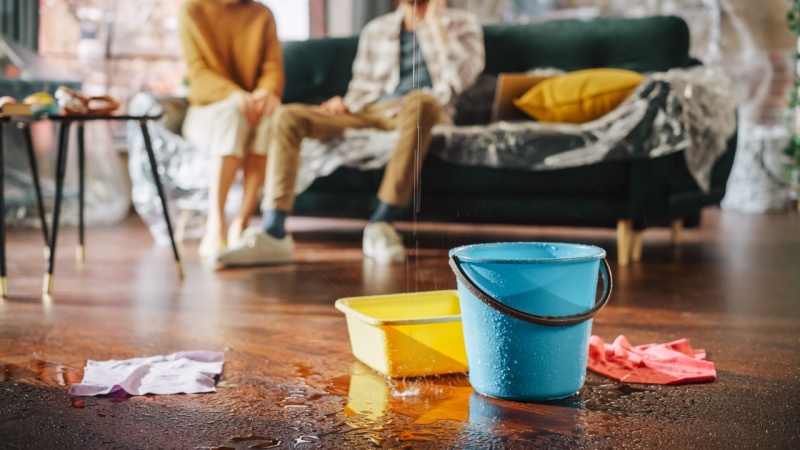
Is This a Plumbing Emergency or Can It Wait?
A dripping faucet and a flooded basement are not the same kind of problem. The dividing line is usually damage, safety, contamination, or speed. If the situation is getting worse quickly, call for emergency plumbing help.
| This Can Usually Be Scheduled Soon | Call for Emergency Plumbing Help |
|---|---|
| A slow drain that still clears and only affects one sink, tub, or shower | Several drains clogging or backing up at once, especially if you notice sewer odors, gurgling, or water coming up through tubs or floor drains |
| A minor leak under a sink that stops when you use the local shutoff | A burst line, active leak, or water moving into walls, ceilings, floors, cabinets, or finished spaces |
| A toilet that runs, flushes weakly, or clogs occasionally but is not overflowing | Repeated toilet overflows, standing wastewater, or backups that affect nearby tubs, showers, or floor drains |
| Hot water problems such as slow recovery, lukewarm water, or mild temperature changes | Water around the water heater, rusty hot water, heavy leaking, or signs that the tank may be failing |
| Low water pressure at one fixture or pressure changes that are not getting worse quickly | Water service problems affecting the whole home, including no water, unsafe water, or a sudden pressure drop across multiple fixtures |
| A sump pump that should be checked, serviced, or replaced before heavy rain arrives | A sump pump failure during heavy rain, snowmelt, rising groundwater, or active basement flooding |
| Ongoing plumbing annoyances that need attention but are not creating immediate damage | Standing water near outlets, appliances, electrical panels, finished rooms, or anything that creates a safety risk |
Distinguishing between a true emergency and a routine maintenance need is vital for Glendale residents. A burst pipe, a sewage backup in the main line, or a water heater that has begun leaking from the tank itself are true emergencies that require immediate attention. On the other hand, a slow drain in a guest bathroom or a faucet that drips only when the handle is turned can typically wait until regular business hours, allowing homeowners to schedule a non-urgent repair without risking significant property damage.
How to Reduce Damage During a Plumbing Emergency
Once a plumbing emergency starts, the goal is to slow the damage until help arrives. A few quick steps can protect floors, walls, furniture, and electrical systems while an emergency plumber is on the way.
- Shut off the water. Use the main shutoff valve where the water line enters the home or near the meter. For smaller problems, use the local shutoff under a sink, behind a toilet, or near the leaking appliance.
- Watch for electrical hazards. Water and electricity are a bad mix. If water is near wiring, outlets, appliances, or panels, keep clear and shut off power only from a safe, dry place.
- Do not add more water to the problem. Avoid flushing, running faucets, showering, or using appliances connected to the affected drain or line.
- Protect belongings nearby. Move furniture, rugs, storage boxes, electronics, and valuables out of the wet area. Use buckets or towels only if you can do so safely.
- Check enclosed spaces. If water is leaking under a sink or near an appliance, open nearby doors or panels when safe so moisture is easier to spot.
- Record what happened. Photos and videos of the leak, backup, damaged areas, and affected fixtures can help with insurance and give the plumber useful context.
- Do not start disassembling pipes. Emergency plumbing problems can involve pressure, wastewater, hidden damage, or fragile connections. Shut things down and wait for professional help.
The primary risk homeowners in Glendale face during a plumbing emergency is extensive water damage to flooring and drywall. Many homes in the city were built in the early 1900s and mid-century and often feature original hardwood or laminate flooring that is highly susceptible to warping from even minor leaks. When a pipe bursts inside a wall, water can travel unseen for hours, saturating the subfloor and compromising the integrity of the structure. Prompt emergency service is essential to mitigate these risks and reduce the scope of necessary repairs.
Emergency Plumbing FAQs from Glendale, MO, Homeowners
Homeowners usually have questions when water starts leaking, backing up, or moving where it shouldn’t. Here are the most common questions we hear about Emergency Plumbing in Glendale, MO:
What counts as a plumbing emergency?
Anything that risks flooding, contamination, structural damage, or loss of essential water service. Burst or leaking pipes, sewer backups, water heater failures, and standing water in basements all qualify. If you’re unsure, call and tell us what’s going on—we’ll confirm if it’s urgent and what to do next.
How fast can a plumber get to my house?
If you have an active leak or backup, we dispatch immediately. Response times depend on location, but most homes in Greater St. Louis get same-day service, with priority for flooding or sewer-related risks. You’ll get an arrival window and updates as we’re on the way.
What should I do while waiting for the plumber?
Shut off the water, turn off power in wet zones, move valuables away, and avoid using problematic fixtures. If you can do so safely, use towels or buckets to catch dripping water. Photograph the damage for insurance and note where it started—those details help us move faster on arrival.
Can you give an estimate over the phone?
We can give a basic estimate for simple emergencies. If the issue involves hidden leaks, sewer problems, or water damage, we diagnose onsite first, then quote. You’ll receive clear options, easy-to-understand explanations, and documented pricing before work starts.
Do you handle water heater emergencies?
Yes, we do. Leaks, hot water loss, pressure problems, or rust-colored water can all be emergency situations. We service and replace standard and tankless units and bring the parts and tools needed for same-day repair when possible.
Why is my drain gurgling or smelling bad?
Gurgling often signals a partial blockage or venting problem. A sewer smell usually points to trouble in the main line or a failing trap. If multiple drains show symptoms, it’s a warning that a sewer problem needs fast attention—especially if tubs or floor drains start filling.
Do you work with insurance?
We record the damage, produce written estimates, and give insurers the details they require. For flooding, sewer backup, or water damage claims, we help by supplying notes, photos, and full repair documentation.
Why Glendale, MO, Trusts Signature Plumbing for Emergency Calls
When water is heading where it shouldn’t, you need a team that gets there fast, figures out the problem, and stops the damage. From burst pipes to sewer backups, we’re the emergency plumbers Glendale, MO, homeowners trust most.
- Licensed Emergency Pros: Bonded, insured, and local plumbers with extensive experience in Glendale homes, codes, and older systems.
- 24/7 Response: We respond day or night and guide you through shutting off water or power while you wait for help.
- Transparent Quotes: We offer clear options with straightforward pricing before repairs start—no surprises.
- Fast, Equipped Repairs: Our vehicles are stocked for on-the-spot fixes, from leaks to sewer problems, so we can solve most emergencies immediately.
Other Glendale, MO, emergency plumbing services we provide include:
- Water Main Repair
- Water Leak Detection Services
- Water Heater Installation
- Sewer Line Replacement
- Sump Pump Installation
- Plumbing Stack Repair & Replacement
- Toilet Repair
- Sewer Repair
- Drain Cleaning
- Licensed Plumbers Near Me
Glendale’s unique position as a self-governing city with a strong local identity means that residents value reliable, community-focused service providers. Plumbing emergencies in this area can stem from a variety of causes, including aging infrastructure, tree root intrusion, or seasonal temperature changes. Signature Plumbing serves Glendale residents by providing rapid response to these critical failures, helping homeowners secure their properties and restore normal water service with minimal disruption to their daily lives and local routines.
Call 636-742-2533 or reach out online. Our Glendale, MO, emergency plumbing experts are standing by to assist.